Prenatal Vitamins Before Conception: What to Start, When, and Why
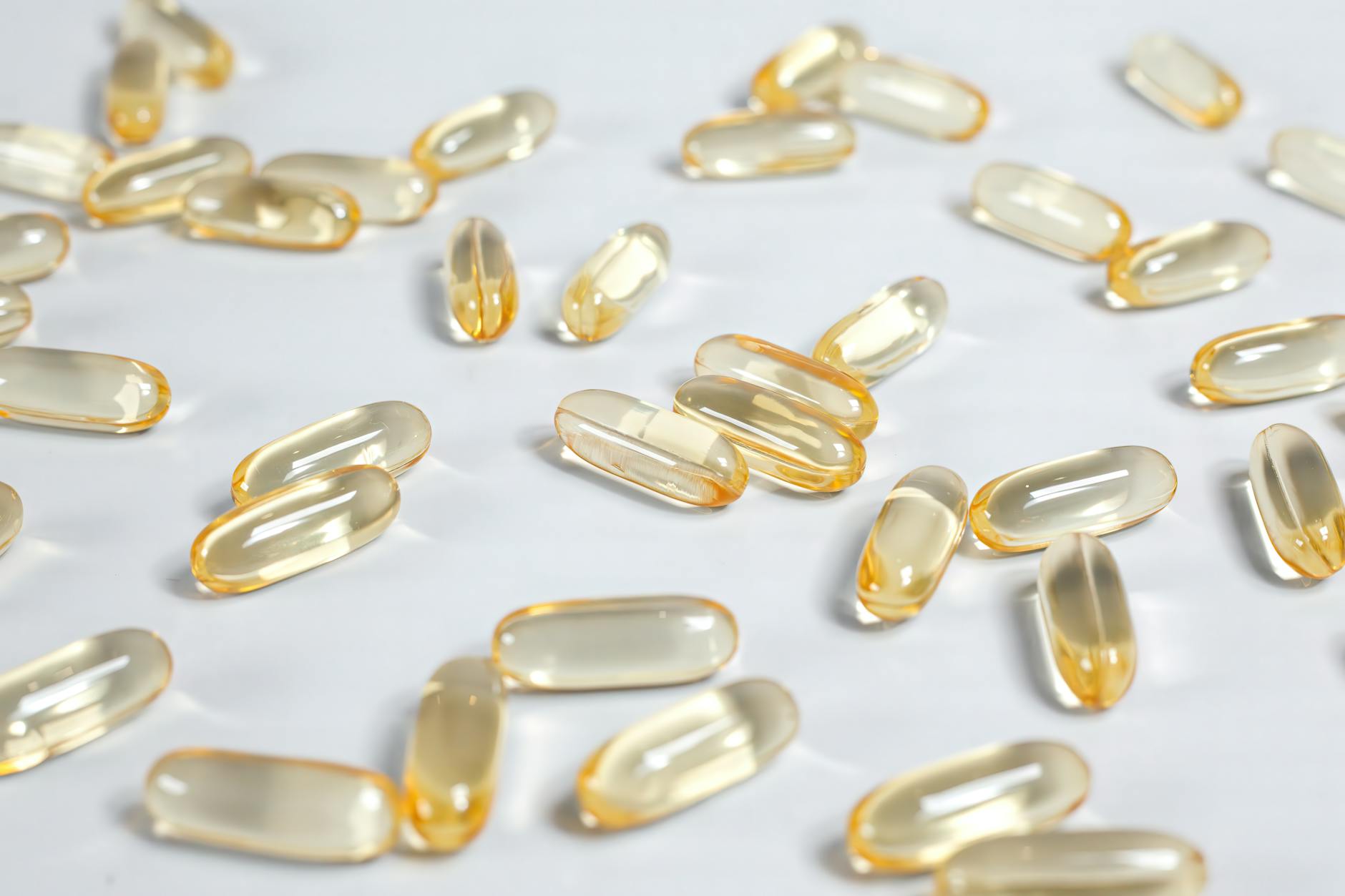
Starting a high-quality prenatal vitamin at least 3 months before conception—ideally 6 months or more—is one of the highest-impact preconception health interventions available. Neural tube defects, which are preventable with adequate folate, develop in the first 28 days after fertilization—often before a pregnancy is even confirmed. Ensuring optimal nutrient levels before conception, rather than scrambling to catch up after a positive test, is the evidence-based standard of care.
The Critical Preconception Window for Nutrient Optimization
The neural tube—the embryonic precursor to the brain and spinal cord—closes between days 21 and 28 post-fertilization. Since most women do not confirm pregnancy until 2–4 weeks after missed menstruation, neural tube closure is almost always complete before supplementation can begin if you wait until a positive pregnancy test. The CDC recommends 400–800 mcg of folic acid or folate daily for all women of reproductive age, and 4,000 mcg for women with a prior NTD-affected pregnancy.
Beyond neural tube protection, preconception nutritional optimization builds the tissue stores that support placental development, early embryonic growth, and maternal adaptation to pregnancy. Iron, iodine, vitamin D, choline, and DHA all have optimal tissue accumulation timelines of 3–6 months, reinforcing the rationale for starting prenatal supplementation well before conception rather than immediately after confirmation.
Key Nutrients in Prenatal Vitamins and Their Functions
Folate (as 5-MTHF, methylated folate) vs. folic acid (the synthetic oxidized form) is an important distinction. Approximately 40–60% of the population carries a MTHFR gene variant that reduces the enzyme responsible for converting folic acid to active 5-MTHF by 30–70%. Women with MTHFR variants should prioritize prenatals containing methylated folate (5-MTHF, marketed as Metafolin or Quatrefolic) rather than synthetic folic acid. Brands including Thorne Basic Prenatal, Seeking Health Optimal Prenatal, and Pure Encapsulations Prenatal Nutrients use methylated forms.
Choline is severely underrepresented in most prenatal vitamins despite being critical for neural tube closure and fetal brain development. The adequate intake for pregnant women is 450 mg/day, yet most prenatals contain 0–55 mg. A 2018 Cornell study demonstrated that choline supplementation at 930 mg/day (versus 480 mg/day) in the third trimester improved infant information processing speed at 7 and 10 months of age. Eggs are the richest dietary source at ~147 mg per egg.
Comparing Popular Prenatal Formulas
Thorne Basic Prenatal is consistently rated the top choice among nutritionally informed practitioners for its use of methylated folate (1,000 mcg 5-MTHF), methylcobalamin (active B12), and chelated minerals for superior absorption. It lacks DHA and choline, requiring separate supplementation of these nutrients. At $25–$35 for a 90-day supply, it offers good value for a quality methylated formula.
Garden of Life Prenatal provides whole-food-sourced nutrients and includes a probiotic blend, appealing to those preferring food-based formulas. However, whole-food forms of nutrients like iron are often lower in bioavailability than chelated forms, and the folate content (800 mcg of methylfolate) is adequate but not generous. Rainbow Light Prenatal One is a popular once-daily option but contains folic acid rather than methylfolate—a significant limitation for MTHFR carriers.
Additional Supplements to Consider Alongside Prenatals
Most prenatals provide insufficient DHA for optimal fetal brain development—the recommended intake during pregnancy is 200–300 mg DHA/day, while many prenatals contain 0–200 mg. A separate algae-based DHA supplement (Nordic Naturals Algae DHA, or fish oil from a third-party purity-tested brand) is recommended for most people. Algae-derived DHA avoids the mercury concerns of some fish oil sources and is vegan-compatible.
Vitamin D deserves separate consideration since prenatal vitamin D content (typically 400–1,000 IU) is inadequate for most people living at northern latitudes or with limited sun exposure. Target serum 25-OH-D levels of 40–60 ng/mL are associated with optimal fertility outcomes and reduced miscarriage risk, which typically requires 2,000–4,000 IU/day supplementation for deficient individuals. A baseline vitamin D blood test (25-OH vitamin D) is the most efficient way to determine your individual supplementation need.
For a complete at-home insemination solution, the His Fertility Boost includes everything you need for a properly timed, sterile ICI cycle.
Further reading across our network: IntracervicalInsemination.org · IntracervicalInsemination.com · MakeAmom.com
This article is for educational purposes only and does not constitute medical advice. Always consult a qualified healthcare provider before making decisions about your fertility care.
Maya Rodriguez
Family Advocate & Community Educator
LGBTQ+ family advocate, author, and donor-conceived parent. She founded a community for queer families navigating home insemination and sperm donation.
Skip the Guesswork
Complete kits bundle the syringe, supplements, and tests together — saving time and money.
See Complete Kits