Mediterranean Diet and Fertility: Evidence-Based Benefits for Conception
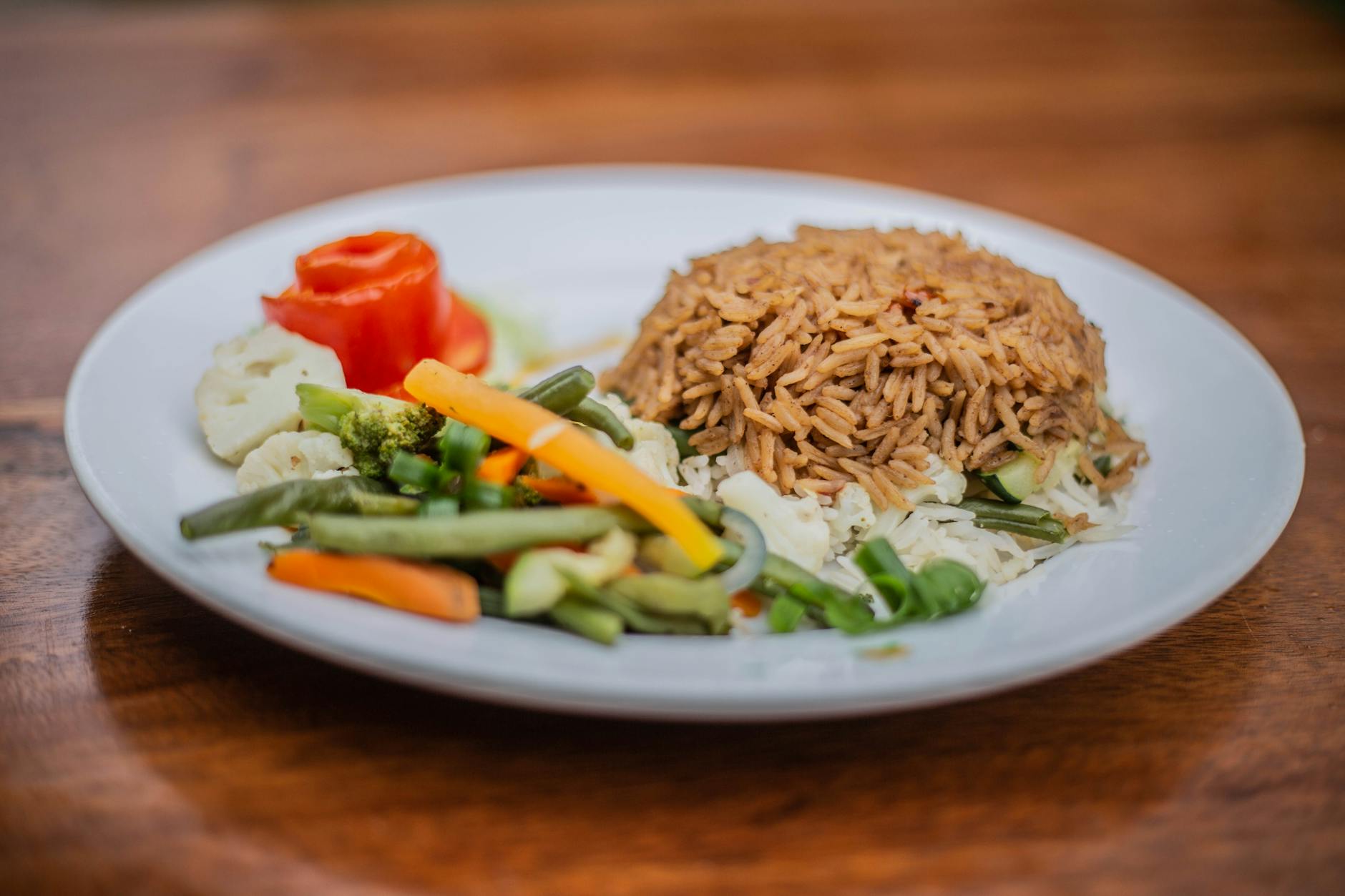
The Mediterranean diet—characterized by high intake of vegetables, fruits, whole grains, legumes, fish, and olive oil, with moderate consumption of poultry and dairy and limited red meat—has accumulated more fertility research support than any other dietary pattern. Multiple large cohort studies and RCTs demonstrate meaningful improvements in fertility outcomes, IVF success rates, and pregnancy maintenance for adherents of this dietary pattern.
The Science Behind Mediterranean Diet’s Fertility Benefits
The Mediterranean diet’s fertility benefits are driven by multiple complementary mechanisms: high antioxidant intake (from colorful vegetables and olive oil polyphenols) reduces oxidative stress on eggs and sperm; high omega-3 intake from fish improves follicular membrane fluidity and reduces inflammatory prostaglandins; low glycemic index foods maintain insulin sensitivity; and high fiber intake supports beneficial estrogen metabolism through the gut microbiome.
Oleocanthal, a phenolic compound unique to extra-virgin olive oil, has been shown to inhibit COX-1 and COX-2 enzymes with potency comparable to ibuprofen—supporting its role in reducing the inflammatory tone that may impair implantation and early pregnancy maintenance. Olive oil polyphenols also modulate prostaglandin synthesis pathways in endometrial tissue, which may directly support implantation window preparation.
Key Clinical Studies on Mediterranean Diet and Fertility
The EARTH Study (2018) analyzed diet quality scores in 244 women undergoing IVF at Massachusetts General Hospital and found that higher Mediterranean diet adherence was associated with significantly higher clinical pregnancy rates (50% vs. 29% in lowest adherence quartile) and live birth rates (48% vs. 26%). The association held after adjustment for age, BMI, and infertility diagnosis, suggesting an independent dietary effect rather than confounding by overall healthfulness.
A 2012 prospective study of 166 Dutch couples (Twigt et al.) found that preconception Mediterranean diet score was independently associated with a 40% higher chance of achieving pregnancy in couples undergoing IVF or ICSI, with the association driven primarily by folate, omega-3, and antioxidant components of the diet. Each 1-point increase in Mediterranean diet score was associated with a 2.7% increase in ongoing pregnancy probability per IVF cycle.
Key Foods to Prioritize and What to Reduce
Prioritize fatty fish (salmon, sardines, mackerel) at least twice weekly for EPA and DHA; extra-virgin olive oil as the primary fat source (providing oleocanthal and oleic acid); a diverse array of colorful vegetables (aim for 5+ colors daily) for antioxidants and phytonutrients; legumes (lentils, chickpeas, beans) at least 3 times weekly for plant protein, folate, and iron; and whole grains (quinoa, farro, brown rice) in place of refined carbohydrates for blood sugar stability.
Reduce or eliminate processed meats (salami, hot dogs, bacon) which are associated with poorer IVF outcomes in studies specifically examining meat quality and fertility; limit refined carbohydrates and added sugars; minimize trans fats (found in partially hydrogenated oils, some commercial baked goods); and limit alcohol. Red wine in the Mediterranean tradition is consumed in moderation—however, from a reproductive health perspective, limiting alcohol to zero or near-zero during active conception attempts is the most evidence-supported approach.
Practical Meal Planning for Fertility
A fertility-optimized Mediterranean meal plan might look like: breakfasts centered on eggs with vegetables and olive oil, or Greek yogurt with nuts, berries, and honey; lunches featuring large salads with legumes, colorful vegetables, olive oil dressing, and optional grilled fish or sardines; dinners built around a serving of fatty fish 3–4 times per week and poultry or legume-based proteins the remaining nights, with abundant vegetables and a small serving of whole grains.
Mediterranean diet adherence is associated with better outcomes even when the diet is adopted 3–6 months before attempting conception, and the lifestyle benefits (improved insulin sensitivity, reduced inflammation, better weight management) compound over time. Starting with one high-impact swap—such as replacing refined carbohydrates at dinner with legumes and increasing vegetable variety—is a more sustainable approach than attempting a complete dietary overhaul simultaneously.
For a complete at-home insemination solution, the His Fertility Boost includes everything you need for a properly timed, sterile ICI cycle.
Further reading across our network: IntracervicalInsemination.org · MakeAmom.com
This article is for educational purposes only and does not constitute medical advice. Always consult a qualified healthcare provider before making decisions about your fertility care.
Dr. Robert Chen, MD
MD, Andrology
Andrologist and reproductive urologist specializing in sperm analysis, DNA fragmentation testing, and male-factor fertility evaluation.
Skip the Guesswork
Complete kits bundle the syringe, supplements, and tests together — saving time and money.
See Complete Kits